Podcast: Play in new window | Download
Subscribe: RSS
If you write dialogue correctly, the reader is already going to know, from everything that came before the dialogue and came after the dialogue in that sentence, what the character’s state of mind is.”
— Taylor
Today’s show is part two of our three-part series on writing dialogue. Part one was about writing internal dialogue and part three (in two weeks) will be actually breaking down a writing sample from a willing listener.
 We begin this week’s podcast by exploring some of Elmore Leonard’s 10 Rules of writing, specifically the three that deal with writing dialogue. Those are:
3. Never us a verb other than “said” to carry dialogue.
4. Never use an adverb to modify the verb “said.”
7. Use regional dialect, patois sparingly.
While we’re discussing those rules, Taylor shares some rules of her own, including an editing tip that uses with each manuscript.
Then we move on to a more general discussion of writing dialogue, and how the best dialogue sounds like real people having a real conversation. As an example, Taylor uses the following, grammatically correct sentence: “I don’t think that’s possible.” The sentence is fine, but she believes most people would say, “Not possible.”
We get into the danger of writing stilted conversation and ways of avoiding it, including the liberal use of contractions.
We finish our discussion with some thoughts on using beats to break up large blocks of conversation to avoid the dreaded wall of text. Then, since we all have our favorite dialogue beats (mine is the word glared), Taylor shares her technique for balancing them out in later drafts of your manuscript.
 The show opens with a discussion of Taylor’s trip to Bouchercon, including her reader / listener meetup which will take place soon after her 3:30 panel on Writing Violence ends. The gathering will take place at 55 Fahrenheit Lounge / Bar on Friday, September 16th, at 5:00 (ish) o’clock.
Thanks so much for joining us again this week.
If you have questions or suggestions for future shows, we’d love to hear from you. You can leave your suggestions as comments or find our contact information, including our Hotline Number for listener question on the Connect page.
If you enjoyed this episode, please share it using the social media buttons you see on the left of the post.
Also, please leave an honest review for THE TAYLOR STEVENS SHOW Podcast on iTunes!
Ratings and reviews are extremely helpful and mean a great deal to us. They matter in the rankings of the show, and we read every one of them.
And finally, don’t forget to subscribe to the show oniTunes or Stitcher to get automatic updates.
Creative Commons Image by leovalent
 Today’s show is the first in a series on dialogue, with internal dialogue being our primary topic today, and those two paragraphs above, written in 3rd person, is a quick, tongue in cheek way of demonstrating the topic.
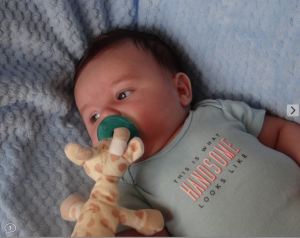 During our pre-show chat, we discuss Taylor’s trip to see Jason Bourne and some three-month birthday pictures from my adorable (and handsome) grandson, Wyatt. And yes, that IS what handsome looks like!


 When we move to car travel we use Taylor’s award-winning thriller,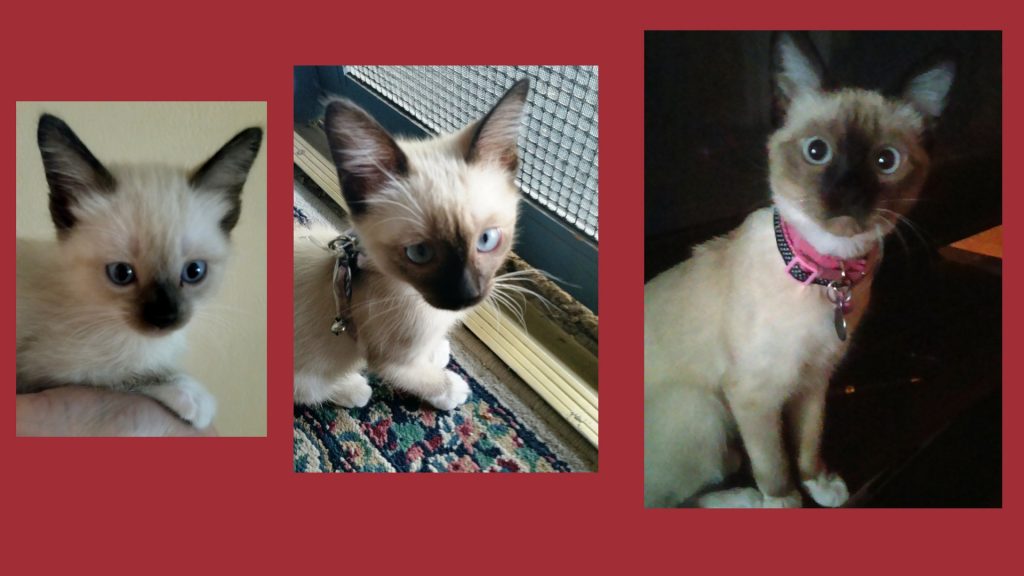

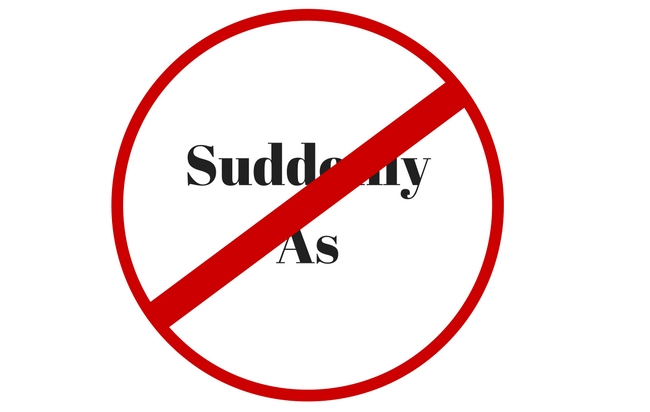 As a joke, I (Steve) wrote a fight scene sentence breaking both rules. After Taylor started offering suggestions for making the joke fight scene better, by doing what we laughingly refer to as “Taylorizing” the sentence, we decided to use it as the basis for this week’s podcast.
 We began the show with a discussion of Taylor’s end of summer relaxation trip, which involved “tubing the river.” We learn during the show that this involves floating down a river with her kids, a cooler and a phone wrapped in plastic to take pictures like the one to the right. It sounds like a fabulous way to relax as the summer comes to a close.
 As she explains during the interview, she writes fight scenes that take place very slowly. The faster the scene moves, the more she slows it down. When she’s asked how she makes the violent scenes feel so real to readers, her typical response is that she removes the details to allow the reader to visualize the scene.